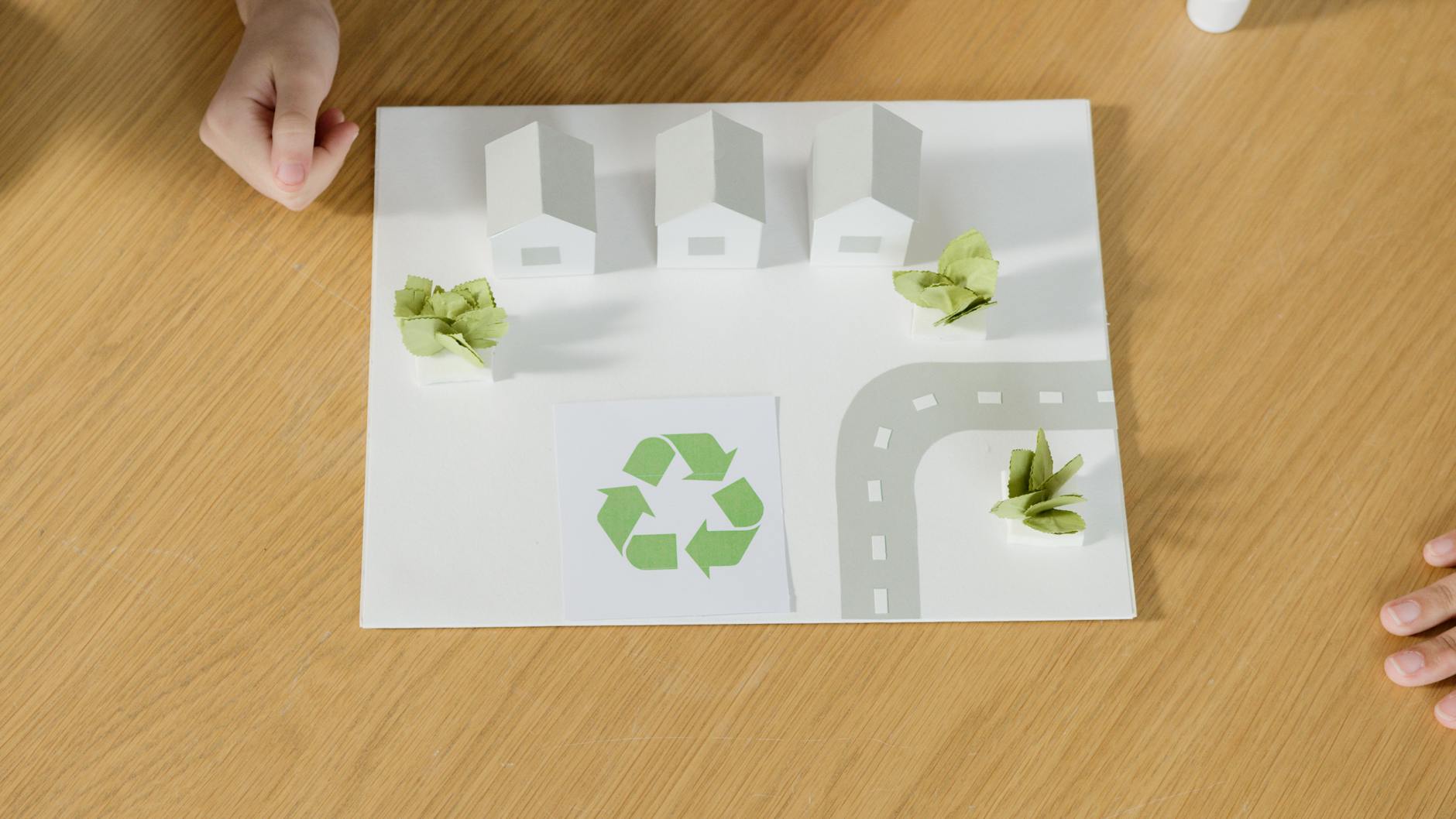
How to Elevate Early Childhood Education in Australia with New Teaching Methods
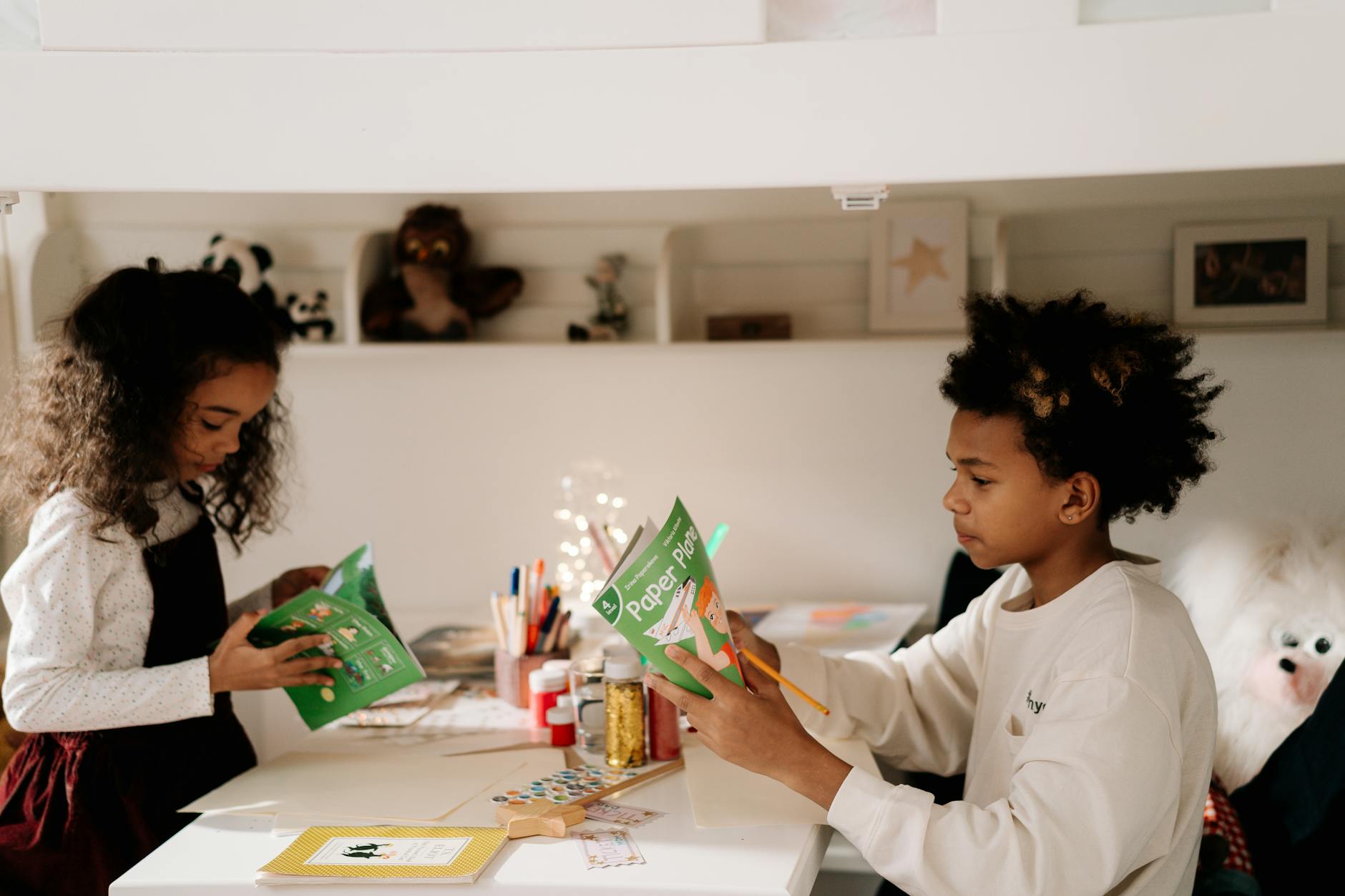
Innovative Approaches
Integrating Play-Based Learning
In my role as an advocate for inclusive education, I've seen first-hand how play-based learning transforms early childhood education. It's remarkable to watch young minds flourish when they're encouraged to explore and discover at their own pace. Incorporating elements from local resources, like the University of Sydney’s educational programs and creative workshops at children's learning centres in Darling Harbour, can further enrich these experiences. These programs align well with our aim to foster innovative learning environments.
Utilizing Technology Effectively
The integration of technology in education offers immense potential, but it's important to choose tools thoughtfully. Early childhood educators should focus on technology that promotes developmental milestones rather than hindering them. For instance, curated digital resources and interactive apps, underpinned by educational strategies, help children develop cognitive skills while maintaining engagement. I often recommend exploring accredited programs, such as cert 3 childcare or cert 3 in individual support, which highlight effective tech integration in learning curriculums.
Promoting Creative Expression
Creative expression not only cultivates imagination but also aids in emotional development. Incorporating varied activities like arts, music, and storytelling can significantly contribute to a child's holistic growth. Furthermore, visiting educational venues like Taronga Zoo can inspire unique learning experiences, reinforcing concepts taught in the classroom through real-world encounters. For those in the education field, aged care courses offer insights into the nuanced needs of different age groups, which can be creatively adapted for younger learners.
Curriculum Design
Incorporating Inclusive Practices
Incorporating inclusive practices in early childhood education is crucial for fostering an environment where every child feels welcome and valued. By embedding principles of diversity and equality into the curriculum, educators can support children of all abilities and backgrounds. Educational strategies play a significant role in this process. For example, embedding strategies from successful programs at places like the University of Sydney can enrich a curriculum. Access to a diploma in early childhood education not only equips educators with advanced techniques but also reinforces the importance of inclusivity in child care settings.
Aligning with Learning Outcomes
Aligning the curriculum with explicit learning outcomes ensures that educational goals are met while catering to the diverse needs of young learners. It is essential to create a dynamic framework that supports growth across cognitive, emotional, and social domains. Child care professionals might explore various child care courses that emphasise how to adapt strategies to suit different learning styles. The goal is to enhance student engagement and retention while maintaining attention to set educational milestones.
Enhancing Multisensory Experiences
Enhancing multisensory experiences within the curriculum fosters more effective learning by catering to different sensory preferences. The curriculum can include tactile, auditory, and visual activities, engaging children through varied experiences. Incorporating visits to local educational centres such as the children's learning centers in Darling Harbour can offer children hands-on learning experiences. Additionally, pursuing a diploma of community services can provide educators with skills to design activities that enrich sensory experiences, thus supporting diverse learners more effectively.
Educator Development
Professional Growth Opportunities
In the dynamic field of early childhood education, ongoing professional development is essential for educators aiming to foster a rich learning environment. One of the most impactful strategies involves enrolling in specialised programs such as mental health courses and early childhood education certifications. These courses provide educators with the skills needed to address diverse needs in a classroom setting, underscoring an inclusive approach to teaching.
An excellent starting point is exploring workshops and conferences offered at educational institutions like the University of Sydney. These gatherings not only provide cutting-edge insights but also serve as a platform for networking and collaborative learning. By engaging in these educational opportunities, educators can harness innovative teaching methodologies and gain confidence in implementing them.
Mentoring and Collaboration
Mentoring is another cornerstone of professional development, fostering a culture of shared learning. Cultivating relationships with experienced educators can be an enriching experience that accelerates knowledge transfer and professional growth. Utilising platforms such as online forums can also stimulate collaboration and idea-sharing among peers.
Implementing Feedback Systems
An integral part of educator development is the active implementation of feedback systems. These systems provide educators with constructive insights, enabling them to refine their teaching methods and adapt to changing educational landscapes. Incorporating feedback can lead to meaningful improvements and innovative approaches, ultimately enhancing the educational experience for young learners.
Building a robust professional development plan empowers educators to stay at the forefront of educational innovations. By embracing continuous learning and collaboration, educators will advance their skills and invigorate the educational experience delivered to their students.
Parental and Community Involvement
Building Strong Collaborations
In my experience, fostering an inclusive educational environment involves weaving a rich tapestry of engagement between educators, parents, and the broader community. One effective way to achieve this is through enrolling in community services courses. These programs can provide educators with valuable techniques for building collaborative relationships that benefit all stakeholders. Building strong collaborations does not only enrich the children's learning process but also brings in diverse perspectives.
Encouraging Active Participation
To further elevate educational outcomes, actively inviting parents and community members into the learning process is key. Encouragement comes in various forms, such as hosting open days where parents and community members can contribute directly to classroom activities. This model of active participation helps instil a sense of ownership and investment in children’s education.
Hosting Educational Workshops
Hosting workshops is another strategic approach that can empower both parents and educators. Educational workshops focused on topics like childhood mental health can be particularly beneficial. Pursuing a certificate iv in mental health allows educators to lead these sessions with authority and empathy, creating a safe space for discussion and learning. These workshops not only benefit the children but also create a strong support network among parents and educators, making room for more open communication and shared goals.
In summary, bringing together parents, educators, and the community fosters an inclusive and enriching learning environment, though the journey is ongoing and requires continual effort and cooperation.
Overcoming Common Challenges
Adapting to Regulatory Shifts
Navigating the labyrinth of regulatory changes can be daunting for educators and administrators. These shifts often require quick adaptation and a proactive approach to understanding new mandates. To turn these challenges into opportunities, I've found that collaborating with colleagues, perhaps through networks established with institutions like the University of Sydney, provides a platform for sharing insights and strategies. Regularly attending professional development sessions can ensure we're always up to date and prepared for whatever regulatory updates come our way.
Balancing Tradition with Innovation
In early childhood education, striking the right balance between traditional methods and innovative practices is crucial. While maintaining time-tested teaching approaches, incorporating new techniques—such as integrating technology into daily lessons—can offer enriched learning experiences for young minds. Engaging children through programs like the Taronga Zoo educational programs or introducing digital storytelling can promote creative thinking while respecting the foundational educational principles. The idea is to blend the old with the new thoughtfully, ensuring we're providing a holistic educational environment.
Addressing Varied Learning Needs
Diversity in learning styles and needs presents both a challenge and an exciting opportunity to innovate. Employing differentiated instruction techniques, supported by research from institutions like children's learning centres in Darling Harbour, enables us to tailor our approaches, meeting every child's unique requirements. Incorporating tools such as sensory materials or visual aids can accommodate auditory learners and those who may benefit from visual impairment assistive technologies. By embracing these differences and employing educational strategies, we empower every child to excel.